The United States Breaks with Cuba: The 1961 Severance of Diplomatic Relations
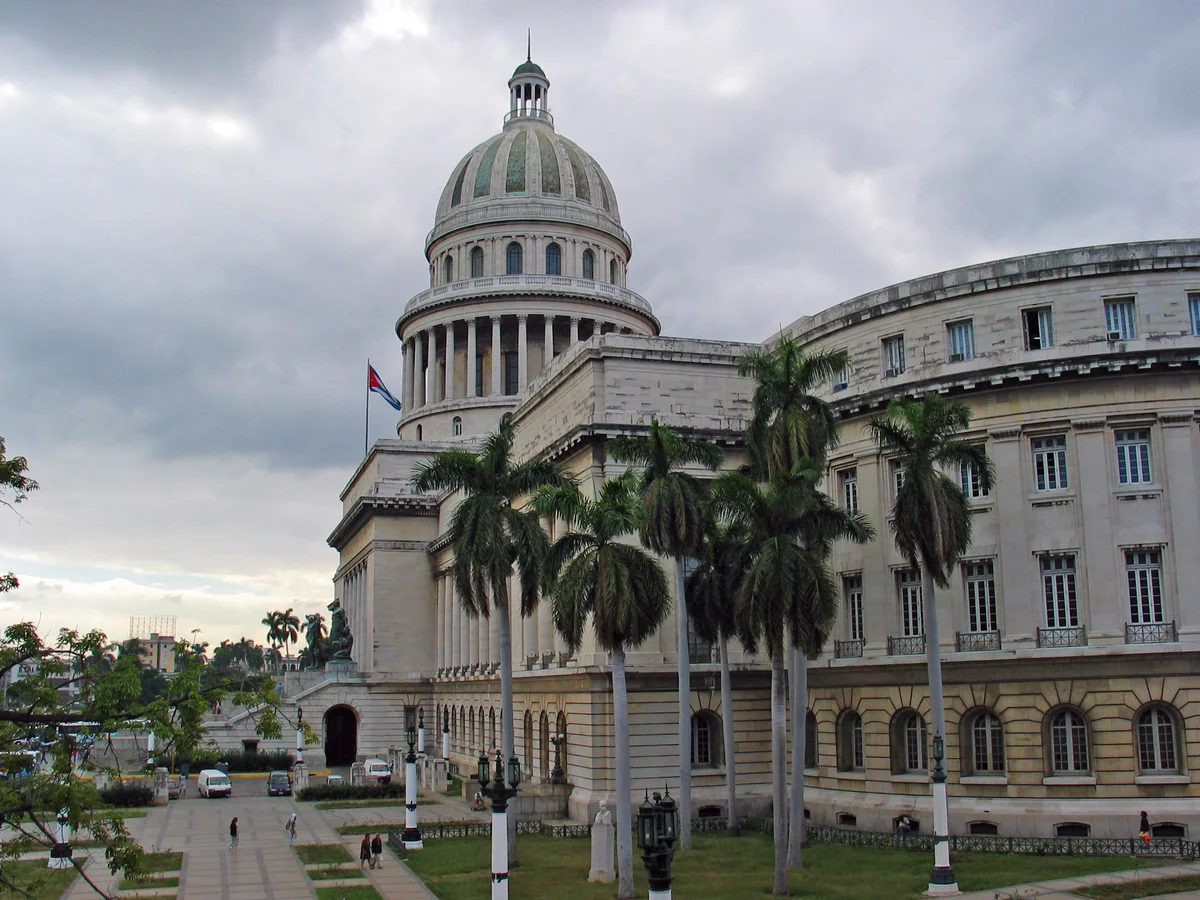
Introduction
On January 3, 1961, the United States severed diplomatic relations with Cuba, a move that marked a significant turning point during the Cold War. This event not only reshaped U.S.-Cuban relations but also had profound implications for global geopolitics. Over six decades later, the legacy of this diplomatic break continues to influence international relations and political discourse.
Historical Background
The roots of the 1961 diplomatic break can be traced back to the Cuban Revolution of 1959 when Fidel Castro overthrew the American-backed dictator Fulgencio Batista. Initially, the U.S. government recognized Castro's new regime, but relations quickly soured as Castro's government implemented socialist reforms and nationalized American-owned businesses without compensation. These actions, combined with Castro's growing ties to the Soviet Union, alarmed U.S. officials.
The Cold War context cannot be overlooked. The United States was deeply entrenched in its policy of containment, aimed at preventing the spread of communism. Cuba's alignment with the Soviet Union represented a direct challenge just 90 miles from American shores, intensifying fears of communist expansion in the Western Hemisphere.
The Event Itself
The decision to break diplomatic ties was announced by President Dwight D. Eisenhower. On January 3, 1961, the U.S. embassy in Havana was closed, and all diplomatic personnel were withdrawn. This drastic measure was in response to increasing tensions and provocations, including Cuba's demand for the U.S. to reduce its embassy staff, which Washington saw as unacceptable.
The break was the culmination of escalating hostilities, including previous U.S. sanctions and restrictions on trade with Cuba. It marked a definitive end to any lingering hopes of reconciliation and set the stage for heightened conflict in the region.
Immediate Consequences
In the immediate aftermath, the severance of diplomatic relations led to increased isolation of Cuba from the Western world. The U.S. imposed stricter economic sanctions, which contributed to economic hardships on the island. Meanwhile, Cuba deepened its ties with the Soviet Union, becoming a more prominent player in Cold War geopolitics.
The diplomatic break also set the stage for the failed Bay of Pigs invasion in April 1961, a U.S.-backed attempt to overthrow Castro that ended in disaster and embarrassment for the Kennedy administration. This failure further entrenched Castro's power and solidified his regime's anti-American stance.
Long-Term Impact
The long-term effects of the break in relations were substantial. It led to decades of hostility between the U.S. and Cuba, with both sides engaging in various forms of subterfuge and aggression. The Cuban Missile Crisis of 1962, one of the most perilous moments of the Cold War, was a direct outgrowth of these tensions.
Even after the Cold War ended, the embargo and diplomatic estrangement persisted, affecting Cuban society and U.S. foreign policy. The isolation of Cuba became a symbol of the Cold War era, influencing U.S. relations with Latin America and other global actors.
Legacy and Modern Relevance
Today, the legacy of the 1961 diplomatic break is still evident. The U.S.-Cuban relationship has seen periods of thawing, most notably during the Obama administration, which restored diplomatic relations. However, subsequent administrations have taken a more hardline approach, demonstrating the enduring complexity of these bilateral ties.
The event serves as a case study in the challenges of international diplomacy, especially when ideological differences are involved. It offers lessons on the importance of communication, the dangers of isolation, and the potential for political shifts to reshape global alliances.
Conclusion
The severance of diplomatic ties between the United States and Cuba on January 3, 1961, remains a pivotal moment in history. Its relevance persists as it highlights the intricate interplay between ideology, diplomacy, and international relations. Reflecting on this event encourages us to consider the lasting effects of political decisions and the importance of diplomacy in resolving conflicts.
More from This Month in History
How the First Official Basketball Game on January 9, 1896, Shaped Modern Sports
Discover how the first official basketball game on January 9, 1896, influenced the global sports landscape and modern culture.
The League of Nations: How Its Inception on January 10, 1920, Shaped Global Diplomacy
Explore the foundation of the League of Nations on January 10, 1920, and its lasting impact on global diplomacy.
The Signing of the Treaty of Versailles: A Turning Point in Global Politics
Explore the Treaty of Versailles, signed on January 5, 1919, and its enduring impact on global politics and modern history.
How the Beatles' Final Performance on January 1, 1962, Shaped Modern Music
Explore the Beatles' pivotal audition on January 1, 1962, and its lasting impact on music history.
Want to explore more historical events? Visit our Explore page to discover what happened on any date in history, or check out today's Event of the Day.