The Signing of the Treaty of Versailles: A Turning Point in Global Politics
Introduction
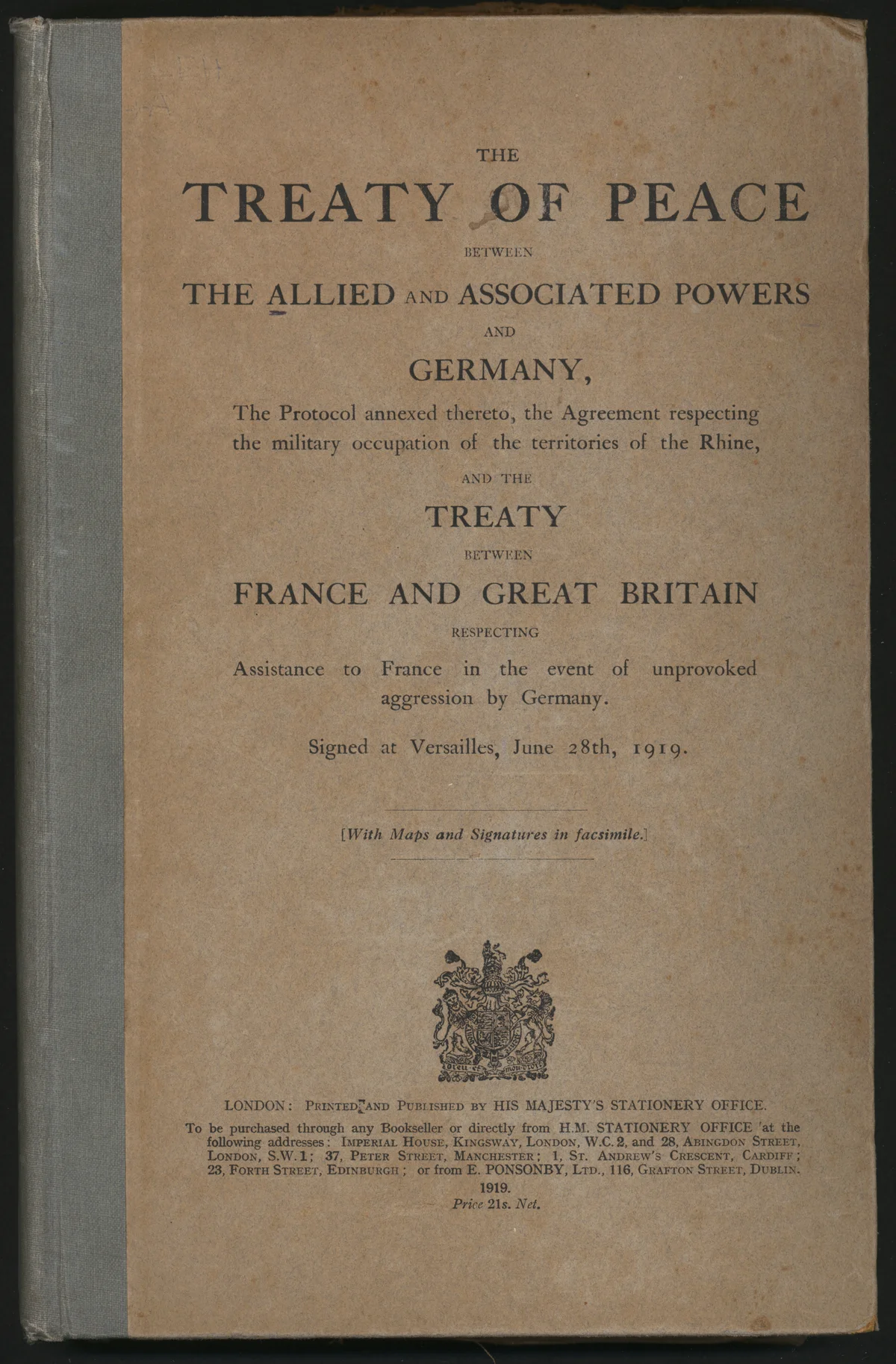
On January 5, 1919, a pivotal event in global politics unfolded as world leaders gathered to sign the Treaty of Versailles. This historic agreement, forged in the aftermath of World War I, aimed to reshape the political landscape of Europe and prevent future conflicts. Over a century later, the treaty's legacy continues to resonate, influencing international relations and providing crucial lessons for contemporary diplomacy.
Historical Background
The devastation wrought by World War I left Europe in turmoil. The war had upended political structures, devastated economies, and caused immense human suffering. As the Allied Powers emerged victorious, they faced the monumental task of crafting a peace settlement that would prevent another global conflict. Key figures such as U.S. President Woodrow Wilson, British Prime Minister David Lloyd George, French Premier Georges Clemenceau, and Italian Prime Minister Vittorio Orlando played significant roles in the negotiations.
Before the treaty, Europe was a continent in flux. National borders were redrawn, monarchies toppled, and revolutionary ideologies gained traction. The political climate was charged with tension, with countries seeking retribution or security guarantees against future aggression. The Treaty of Versailles aimed to address these concerns through a carefully negotiated settlement.
The Event Itself
Negotiations for the Treaty of Versailles began in January 1919 at the Palace of Versailles, near Paris. Over several months, diplomats and leaders from more than 30 countries deliberated on the terms. The treaty comprised various clauses, including the controversial Article 231, which placed the blame for the war squarely on Germany and its allies, leading to severe reparations.
The signing of the treaty on January 5 marked a critical turning point. The agreement consisted of military restrictions, territorial changes, and the creation of the League of Nations, an international body aimed at resolving disputes and preventing future wars. Despite its intentions, the treaty's punitive measures, especially toward Germany, sowed the seeds of discontent that would later contribute to World War II.
Immediate Consequences
The immediate aftermath of the Treaty of Versailles was marked by mixed reactions. While some hailed it as a necessary step towards peace, others criticized its harsh terms. Germany, in particular, was left humiliated and economically weakened, fostering resentment that would later fuel nationalist movements. The treaty's impact extended beyond Europe, affecting colonial territories and shaping global geopolitics.
The establishment of the League of Nations was a significant outcome, representing a novel approach to international diplomacy. However, the League's effectiveness was hampered by the absence of key powers, including the United States, which never ratified the treaty due to domestic opposition.
Long-Term Impact
The Treaty of Versailles had profound long-term effects on the political landscape of Europe and the world. Its punitive measures against Germany are widely regarded as contributing factors to the economic hardship and political instability that facilitated the rise of Adolf Hitler and the Nazi regime. The failure of the League of Nations to prevent subsequent conflicts highlighted the challenges of maintaining global peace through multilateral institutions.
Despite its flaws, the treaty set a precedent for future international agreements and underscored the importance of diplomatic engagement in resolving global issues. It also served as a cautionary tale, illustrating the dangers of imposing harsh penalties on defeated nations and the necessity of incorporating all major powers in peacekeeping efforts.
Legacy and Modern Relevance
Today, the Treaty of Versailles is viewed through a complex lens. While it aimed to create a lasting peace, its shortcomings serve as a reminder of the delicate balance required in international diplomacy. The treaty's legacy continues to inform discussions on conflict resolution, reconciliation, and the role of international organizations in maintaining global stability.
The lessons learned from the Treaty of Versailles are particularly relevant in a world still grappling with geopolitical tensions and the challenges of building sustainable peace. The importance of inclusive negotiations, equitable terms, and the avoidance of punitive measures are principles that resonate with contemporary policymakers and historians alike.
Conclusion
More than a century after its signing, the Treaty of Versailles remains a pivotal moment in history. Its impact on international relations and its role in shaping the 20th century underscore its enduring significance. As the world continues to navigate complex global issues, the treaty offers valuable insights into the challenges and opportunities inherent in forging lasting peace.
The Treaty of Versailles stands as a testament to the complexities of diplomacy and the consequences of decisions made in pursuit of peace. In reflecting on its lessons, we are reminded of the importance of collaboration, understanding, and foresight in addressing the challenges of our interconnected world.
More from This Month in History
How the Creation of the European Economic Community on January 6 Shaped Modern Europe
Discover how the formation of the European Economic Community on January 6 transformed Europe and set the stage for the EU.
The Miracle on Ice: A Legendary Upset in Sports History
Explore the Miracle on Ice, a legendary sports upset and its lasting impact on global sports culture.
The Miracle on Ice: The 1980 US Hockey Team's Unforgettable Victory
Explore the 1980 US Hockey Team's 'Miracle on Ice' victory and its enduring impact on sports and culture.
The Launch of the First Transatlantic Telephone Call: Bridging Continents
On January 12, 1927, the first transatlantic telephone call was made, revolutionizing global communication.
Want to explore more historical events? Visit our Explore page to discover what happened on any date in history, or check out today's Event of the Day.