How the Beatles' Final Performance on January 1, 1962, Shaped Modern Music
Introduction
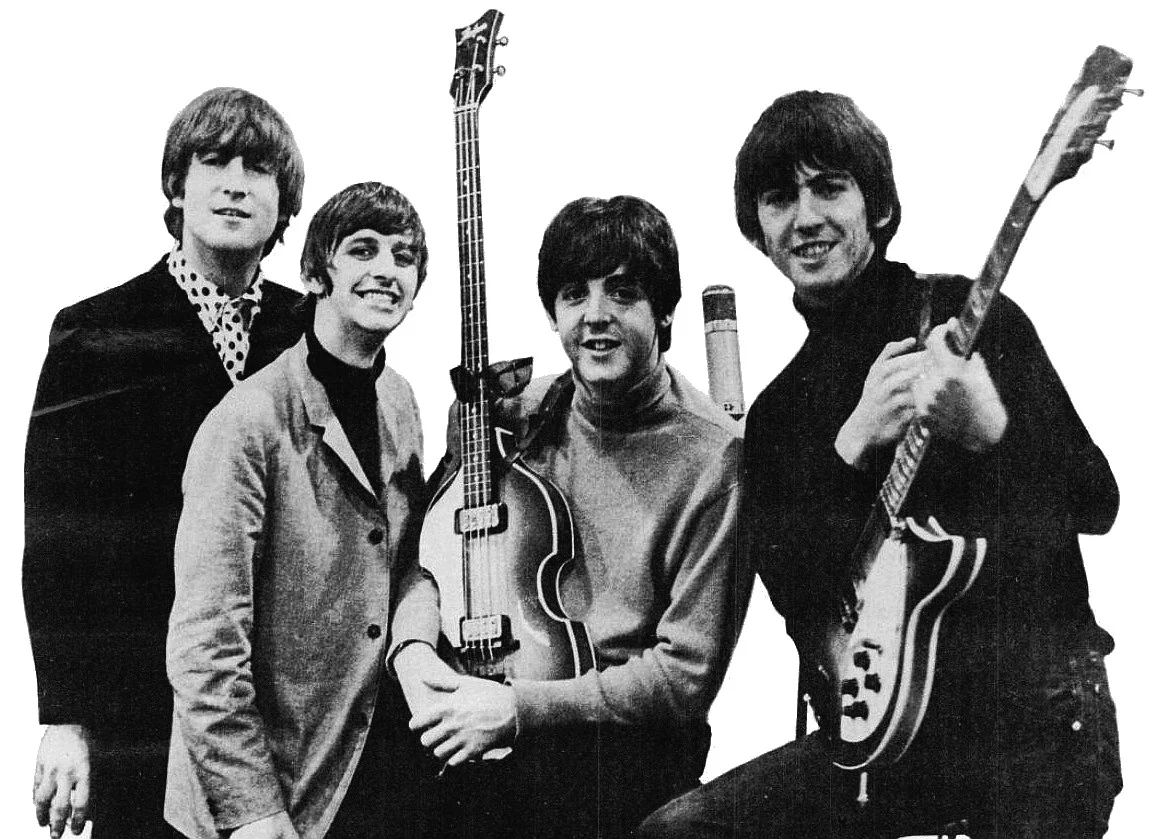
On January 1, 1962, an event unfolded that would inadvertently set the stage for a seismic shift in music history—The Beatles auditioned for Decca Records in London. Though initially overlooked, this moment would catalyze a series of events leading to the rise of one of the most influential bands in history. Today, the Beatles' legacy continues to resonate across generations, shaping music, culture, and even politics worldwide.
Historical Background
In the early 1960s, rock and roll was undergoing a transformation. The post-war era had given rise to a youth culture eager for innovation. In this context, a young group from Liverpool was gaining local fame. Comprising John Lennon, Paul McCartney, George Harrison, and Pete Best as the drummer, The Beatles were eager to make their mark on a larger stage. They had spent months honing their skills in Hamburg, Germany, and were now ready for a breakthrough.
The Event Itself
On that fateful New Year's Day, The Beatles traveled to London to audition for Decca Records, one of the leading labels of the time. The session, held at Decca's studio, saw the band perform a set of 15 songs, showcasing their versatility and raw energy. Despite their efforts, the label's executive, Dick Rowe, famously decided not to sign them, choosing instead to go with Brian Poole and the Tremeloes.
Immediate Consequences
The rejection was a significant setback for the band. However, it quickly became a turning point. Shortly after, they secured the services of Brian Epstein, who played a critical role in refining their image and securing a contract with EMI's Parlophone label. By late 1962, with Ringo Starr replacing Best, The Beatles released "Love Me Do," marking the beginning of their meteoric rise.
Long-Term Impact
Although Decca's rejection might have seemed like a failure, it propelled The Beatles towards a path that would change the music industry forever. Their innovative approach to songwriting, studio experimentation, and global reach established new norms for artists. The Beatles' influence transcended music, impacting fashion, culture, and even politics, as evidenced by their role in the 1960s counterculture movement.
Legacy and Modern Relevance
Today, The Beatles' story serves as a timeless lesson in resilience and innovation. Their journey from rejection to global stardom is a testament to the power of perseverance and creativity. The band's music continues to inspire artists across genres, and their business acumen set a precedent for modern musicians navigating the complexities of the music industry.
Conclusion
The Beatles' audition on January 1, 1962, is a reminder of how pivotal moments can shape history. Despite the initial setback, their story is one of triumph and influence, illustrating the enduring power of music to inspire and unite. As we reflect on this event, we recognize its profound impact on the world, a legacy that remains as relevant today as it was over six decades ago.
More from This Month in History
The Birth of Modern Olympic Ski Jumping: The 1924 Chamonix Winter Games
Discover the pivotal moment in 1924 Chamonix that launched ski jumping into the Olympic spotlight, shaping winter sports history.
The 2006 UN Resolution on Iran's Nuclear Program: A Turning Point in Global Diplomacy
Explore the 2006 UN Resolution on Iran's nuclear program and its ongoing impact on international diplomacy.
The Miracle on Ice: A Legendary Upset in Sports History
Explore the Miracle on Ice, a legendary sports upset and its lasting impact on global sports culture.
The Birth of Wikipedia: How January 15 Revolutionized Information Sharing
Discover how Wikipedia, launched on January 15, transformed global information sharing and remains relevant today.
Want to explore more historical events? Visit our Explore page to discover what happened on any date in history, or check out today's Event of the Day.