How 'The Tonight Show' Revolutionized Late-Night Television on January 17, 1955
Introduction
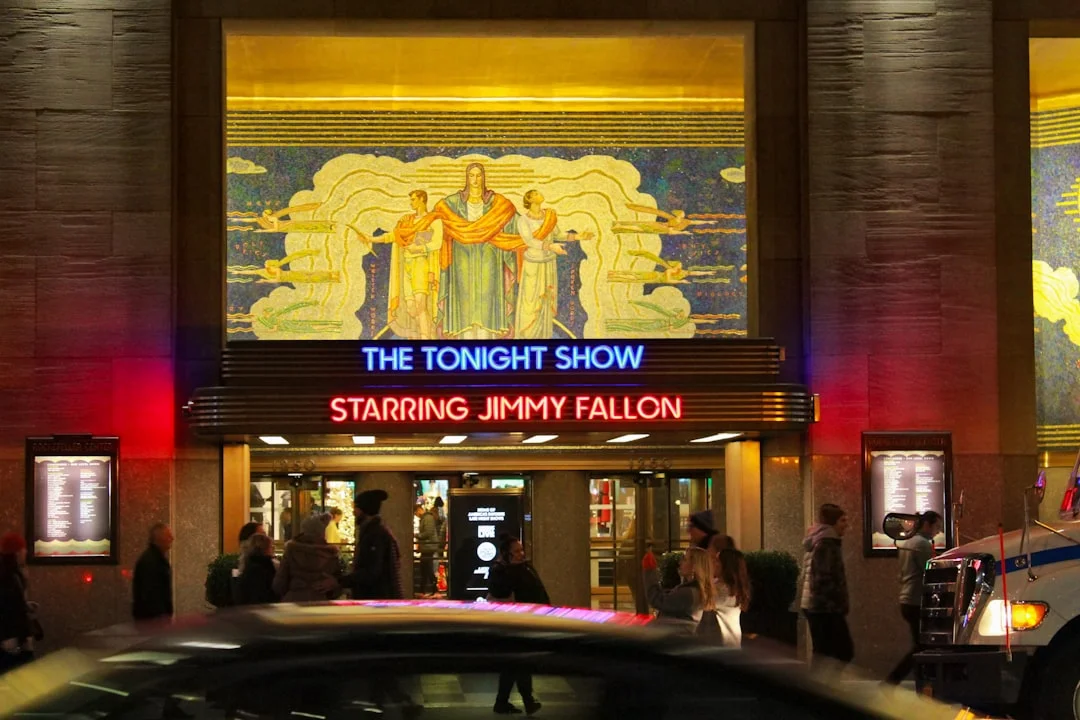
On January 17, 1955, 'The Tonight Show' made its debut, forever altering the landscape of television entertainment. As a pioneering force in late-night TV, the show has become a staple of American culture, influencing generations of comedians, entertainers, and viewers. Today, it remains a vital part of the television industry, underscoring the enduring appeal of late-night talk shows. This article explores the show's historical context, its groundbreaking debut, and its lasting impact on both the entertainment world and modern society.
Historical Background
In the early 1950s, television was still a relatively new medium, rapidly gaining popularity in American households. The post-war economic boom allowed families to purchase TVs, and networks were eager to capitalize on this growing audience. NBC, one of the major networks, sought to expand its programming beyond the prime-time hours, targeting viewers who stayed up late. At this time, late-night television was largely uncharted territory, with no established format or programming.
Steve Allen, an innovative comedian and musician, was chosen by NBC to host what would become 'The Tonight Show.' Allen's background in radio and comedy equipped him to craft a show that mixed entertainment, interviews, and comedy sketches. As television's influence grew, this new format offered a unique opportunity to capture a national audience at an hour previously neglected by major networks.
The Event Itself
On the evening of January 17, 1955, 'The Tonight Show' premiered with Steve Allen as its inaugural host. The show was originally broadcast from New York City, providing a mix of live music, comedy routines, and celebrity interviews. Allen's quick wit and affable charm set the stage for what would become a hallmark of late-night television.
Key moments during the show's debut included comedic monologues, live musical performances, and interviews with notable guests. Allen's ability to engage both guests and the audience was a pivotal element of the show's success. This format would become the blueprint for future late-night talk shows, establishing a standard that persists to this day.
Immediate Consequences
The immediate impact of 'The Tonight Show' was significant. It quickly attracted a loyal viewership, setting NBC apart from its competitors. The show's format, blending humor with celebrity culture, proved to be an instant hit. Other networks soon attempted to replicate its success, leading to a proliferation of late-night programming.
Within a few years, 'The Tonight Show' became a cultural phenomenon, setting the stage for the careers of many comedians and entertainers. Steve Allen's tenure as host laid the foundation for subsequent hosts, each bringing their unique flair while maintaining the core elements of the show.
Long-Term Impact
Over the decades, 'The Tonight Show' has become an institution in American entertainment. Its influence extends beyond television, impacting the broader cultural landscape. The show's ability to adapt to changing times, while retaining its essence, has contributed to its longevity.
With hosts like Johnny Carson, Jay Leno, and Jimmy Fallon, 'The Tonight Show' has continuously reinvented itself, staying relevant to new generations. The format of opening monologues, musical guests, and celebrity interviews has become a staple in the television industry, inspiring numerous other late-night programs worldwide.
Legacy and Modern Relevance
Today, 'The Tonight Show' is more than just a television program; it is a cultural touchstone. Its legacy is evident in the proliferation of late-night talk shows that follow its model. The show's impact on popular culture and its role in shaping public discourse remain significant.
In an era of digital media and streaming services, 'The Tonight Show' continues to attract viewers, adapting to new platforms while maintaining its traditional format. The show's ability to address contemporary issues through comedy and conversation ensures its continued relevance in the modern world.
Conclusion
'The Tonight Show' debuted on January 17, 1955, and revolutionized late-night television, setting a standard that endures today. Its impact on entertainment and culture is profound, shaping not only the television industry but also the broader societal narrative. As we reflect on its history, 'The Tonight Show' remains a testament to the power of innovation and the enduring appeal of late-night television.
More from This Month in History
The Birth of the New York Stock Exchange: A Revolution in Global Finance
Explore the founding of the New York Stock Exchange on January 8, 1817, and its enduring impact on global finance.
The Dawn of the Digital Age: The Introduction of Wikipedia on January 15, 2001
Explore how Wikipedia's launch on January 15, 2001, revolutionized access to information and continues to shape the digital landscape.
The Dawn of Space Exploration: Celebrating the Launch of Explorer 1
Explore the impact of Explorer 1's launch on January 16, 1958, marking a pivotal moment in space exploration history.
The Birth of Hollywood's Golden Age: The Founding of United Artists on January 11, 1919
Explore how the founding of United Artists on January 11, 1919, reshaped Hollywood and continues to influence the entertainment industry today.
Want to explore more historical events? Visit our Explore page to discover what happened on any date in history, or check out today's Event of the Day.