The Overthrow of Hawaii's Monarchy: A Turning Point in U.S. Expansionism
Introduction
On January 17, 1893, a pivotal event unfolded in the Pacific that would reshape the political landscape of the region and ripple through American foreign policy for decades. The overthrow of the Hawaiian monarchy by a group of American and European businessmen, with the backing of the United States government, marked a significant turning point in U.S. expansionism. As Hawaii was annexed, it set a precedent for American territorial acquisitions and influenced the nation’s approach to foreign policy. Understanding this event is crucial as it highlights themes of imperialism, sovereignty, and the complex relationship between the U.S. and indigenous populations, issues that remain relevant today.
Historical Background
By the late 19th century, Hawaii had become a focal point for American economic and strategic interests. The islands' rich resources and strategic location in the Pacific made them a desirable asset for growing American influence. American sugar planters had established a significant presence in Hawaii, leveraging their economic power to influence local politics. Queen Liliuokalani ascended to the throne in 1891, advocating for a new constitution that would restore the monarchy's powers and reduce the influence of foreign interests. This move set the stage for a confrontation between the Hawaiian monarchy and American business interests.
The Event Itself
On January 17, 1893, a group of American and European businessmen, supported by the U.S. Minister to Hawaii, John L. Stevens, orchestrated a coup to depose Queen Liliuokalani. The conspirators established a provisional government, proclaiming the islands' annexation to the United States. The U.S. Marines were dispatched from the USS Boston to Honolulu, ostensibly to protect American lives and property, but their presence effectively bolstered the coup leaders. The Queen, recognizing the overwhelming force against her, peacefully surrendered to avoid bloodshed, trusting that the U.S. government would later restore her to power.
Immediate Consequences
The coup's immediate aftermath saw the establishment of a provisional government led by Sanford B. Dole, a prominent lawyer and jurist of American descent. The new government swiftly petitioned for annexation by the United States, but President Grover Cleveland, upon taking office, called for an investigation. He found the overthrow to be illegal and sought to restore the Queen, but Dole’s refusal and the political climate in Washington delayed any action. This political impasse left Hawaii in a state of limbo, with the provisional government exercising de facto control.
Long-Term Impact
The overthrow of the Hawaiian monarchy had profound long-term effects. In 1898, amidst the Spanish-American War, Hawaii was formally annexed by the United States, becoming a key military outpost in the Pacific—a role that would become crucial during World War II. The annexation accelerated the decline of native Hawaiian culture and sovereignty, sparking movements for indigenous rights that continue to this day. It set a precedent for American interventionist policies and territorial expansion, contributing to the broader narrative of American imperialism at the turn of the 20th century.
Legacy and Modern Relevance
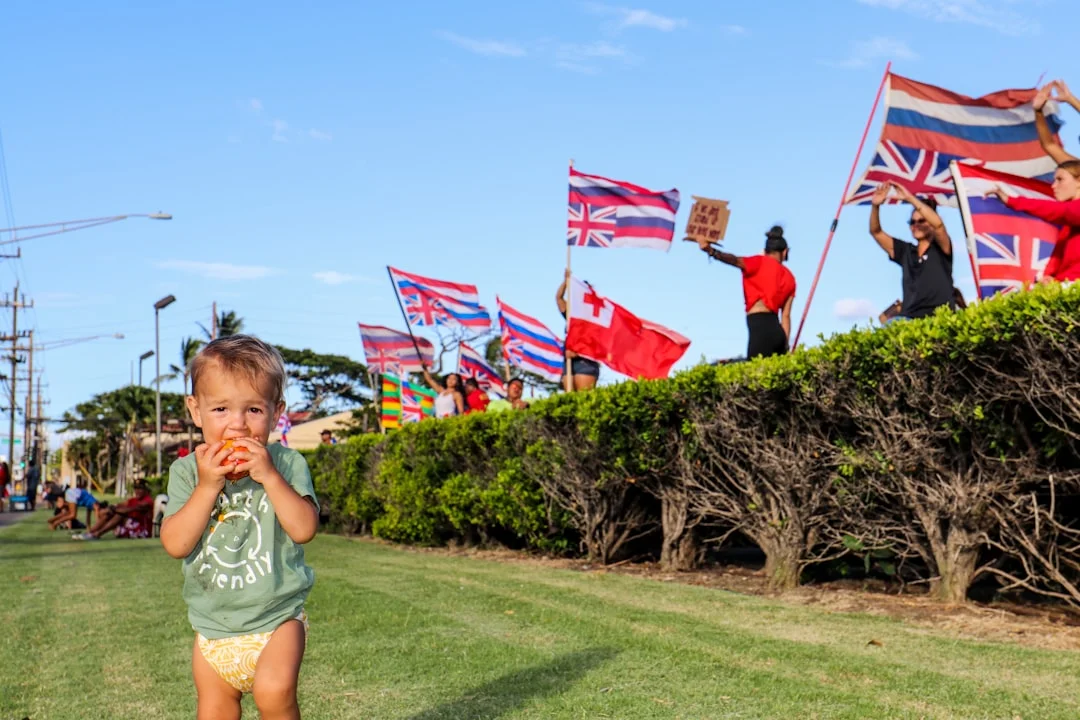
Today, the overthrow of Hawaii’s monarchy is a subject of significant historical reflection and debate. It serves as a case study in the tensions between economic interests and indigenous sovereignty, a theme that resonates globally in discussions about colonialism and its legacies. The event has inspired activism around native Hawaiian rights and has influenced broader conversations about reparations and historical justice. As nations grapple with the legacies of colonialism, the events of January 17, 1893, offer critical lessons in understanding the dynamics of power, sovereignty, and resistance.
Conclusion
The overthrow of Hawaii's monarchy remains a poignant reminder of the complexities of American expansionism and its enduring impact on indigenous populations. As we reflect on this event, it is crucial to consider its lessons in the context of contemporary global issues surrounding sovereignty, cultural preservation, and the balance of power. The legacy of January 17, 1893, continues to inform discussions about history, identity, and justice, underscoring the importance of understanding our past to navigate the challenges of the present.
More from This Month in History
The Dawn of Professional Football: The NFL's First Championship Game on January 10, 1921
Explore the significance of the first NFL Championship Game held on January 10, 1921, and its lasting impact on American sports.
The Miracle on Ice: A Legendary Upset in Sports History
Explore the Miracle on Ice, a legendary sports upset and its lasting impact on global sports culture.
How the 1982 Ice Bowl Revolutionized Winter Sports
Discover how the 1982 Ice Bowl transformed winter sports and its lasting influence today.
How the Birth of the iPhone on January 4 Transformed Technology Forever
Explore how the announcement of the iPhone on January 4 revolutionized technology and reshaped global communication.
Want to explore more historical events? Visit our Explore page to discover what happened on any date in history, or check out today's Event of the Day.