The Debut of 'The Ed Sullivan Show': A Turning Point in Television History
Introduction
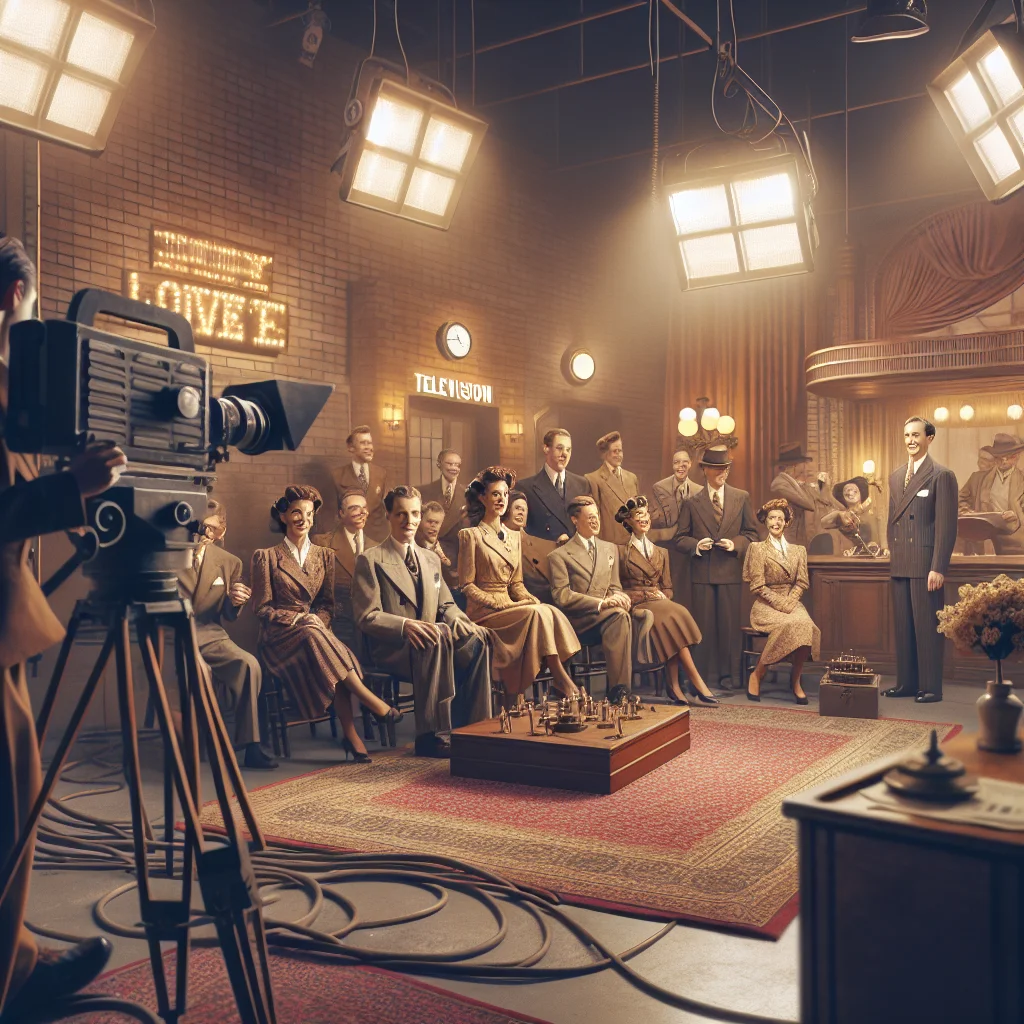
On January 20, 1949, American television experienced a transformative moment with the debut of 'The Ed Sullivan Show.' This variety show not only captivated audiences across the nation but also set the standard for television programming in the years to come. The show's impact reverberates through modern entertainment, illustrating the power of television as a cultural force and a unifying medium. Understanding its significance provides insight into the evolution of the entertainment industry and its ongoing influence today.
Historical Background
The late 1940s marked a period of rapid post-war change, with television emerging as a dominant form of entertainment. As families across America began to welcome television sets into their homes, the demand for diverse programming grew. Ed Sullivan, a well-known entertainment columnist, recognized the medium's potential and sought to create a show that reflected the eclectic interests of the American public. The political and economic climate of the era, characterized by a burgeoning middle class and a desire for new forms of leisure, set the stage for the show's inception.
The Event Itself
'The Ed Sullivan Show' premiered on CBS on January 20, 1949, under the original title 'Toast of the Town.' The first episode featured a mix of musical performances, comedy acts, and novelty sketches, a format that would become the show's hallmark. Sullivan's ability to curate a diverse lineup of talent, from emerging artists to established stars, quickly garnered a wide audience. Key moments from the premiere included performances by Dean Martin and Jerry Lewis, marking the show's commitment to showcasing both established and up-and-coming entertainers.
Immediate Consequences
The debut of 'The Ed Sullivan Show' was met with widespread acclaim. It quickly became a staple of American television, influencing the development of variety shows for decades. The show's success prompted networks to invest more heavily in similar programming, shaping the television landscape of the 1950s and beyond. Audience reactions were overwhelmingly positive, with viewers drawn to the show's ability to bring diverse entertainment directly into their living rooms.
Long-Term Impact
The influence of 'The Ed Sullivan Show' extended far beyond its initial broadcast. It played a pivotal role in shaping the careers of numerous artists, most notably Elvis Presley and The Beatles, whose appearances on the show became defining moments in their careers. The show's format paved the way for future variety and talk shows, establishing a template that producers continue to draw from. Its ability to bridge cultural divides by featuring a wide range of acts helped television become a unifying force in American society.
Legacy and Modern Relevance
Today, 'The Ed Sullivan Show' is remembered as a groundbreaking program that laid the groundwork for modern entertainment television. Its legacy is evident in today's variety and talent shows, which continue to draw inspiration from its format and diversity. The show's impact is also seen in the way television can bring together audiences from different backgrounds, reflecting ongoing societal trends towards inclusivity and representation. As the entertainment industry continues to evolve, the principles established by 'The Ed Sullivan Show' remain relevant, illustrating the enduring power of television as a cultural medium.
Conclusion
The debut of 'The Ed Sullivan Show' stands as a testament to television's transformative potential. By bringing a wide range of entertainment to a national audience, it not only shaped the industry but also reflected cultural shifts in post-war America. As we navigate the complexities of modern media, the show's legacy offers valuable lessons about the role of entertainment in society. Its continued relevance underscores the importance of television as a medium that can inform, entertain, and unite diverse audiences across the globe.
More from This Month in History
The Dawn of Professional Football: The NFL's First Championship Game on January 10, 1921
Explore the significance of the first NFL Championship Game held on January 10, 1921, and its lasting impact on American sports.
The Historic 1972 Winter Olympics: A Turning Point in Global Sports
Explore the 1972 Winter Olympics, a pivotal moment in sports history, and its lasting impact on global athletic competitions.
The Invention of the Transistor: How January 7th Changed Technology Forever
Explore the invention of the transistor on January 7, 1948, a pivotal moment in technology that reshaped the modern world.
The Birth of the Modern Internet: Launch of the ARPANET in 1968
Explore how the launch of the ARPANET on January 13, 1968, revolutionized technology and laid the groundwork for today's internet.
Want to explore more historical events? Visit our Explore page to discover what happened on any date in history, or check out today's Event of the Day.