The Launch of Apple Macintosh: Revolutionizing Personal Computing
Introduction
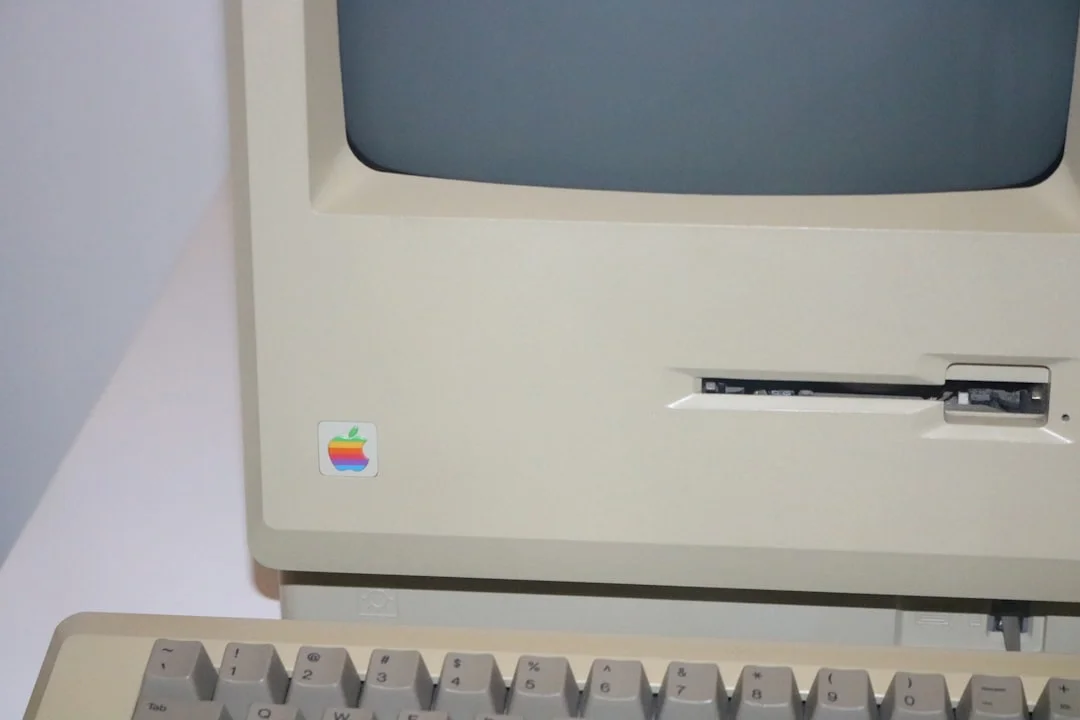
On January 19, 1984, the world witnessed the birth of a technological revolution with the launch of the Apple Macintosh. This event marked a significant turning point in the history of personal computing, introducing a user-friendly interface that empowered individuals and businesses alike. The Macintosh not only reshaped the way computers were designed and used but also laid the foundation for modern computing. Today, as we rely on technology more than ever, the significance of this event remains profoundly relevant.
Historical Background
The early 1980s were a transformative period for personal computing. While computers had been around for decades, they were largely inaccessible to the average consumer due to their complexity and cost. Companies like IBM dominated the market with machines that required significant technical knowledge. In this landscape, Apple, co-founded by Steve Jobs and Steve Wozniak, sought to create a computer that was both powerful and user-friendly.
The journey to the Macintosh began with the success of the Apple II, which demonstrated the potential for a home computer market. However, competition was fierce, and Apple needed a breakthrough to maintain its edge. This led to the development of the Macintosh project, spearheaded by a dedicated team under Jobs's visionary leadership.
The Event Itself
On January 19, 1984, the Apple Macintosh was officially launched at a company event in Cupertino, California. The unveiling followed a highly anticipated advertisement aired during the Super Bowl, directed by Ridley Scott, which depicted a dystopian future disrupted by the creative potential of the Macintosh. This bold marketing strategy generated immense public interest.
The Macintosh introduced several groundbreaking features, including a graphical user interface, a mouse, and a focus on design aesthetics. It was a departure from the text-based interfaces of its predecessors, offering users an intuitive way to interact with their computers. The event was marked by Jobs’s dramatic presentation, where he demonstrated the Macintosh's capabilities live on stage, capturing the imagination of the audience.
Immediate Consequences
The launch of the Macintosh had an immediate impact on the personal computing industry. The user-friendly interface attracted a new demographic of computer users who had previously found technology intimidating. It also pressured competitors to innovate, leading to advancements in software and hardware design.
Despite the initial excitement, the Macintosh faced challenges, including high pricing and limited software availability. However, its impact on the industry was undeniable, influencing the development of future operating systems and computer designs.
Long-Term Impact
The Macintosh's introduction of a graphical user interface set a new standard for computing. This innovation paved the way for future operating systems, including Microsoft Windows, which adopted similar features. The emphasis on user experience became a core principle in technology development.
Apple's commitment to design and functionality established its reputation as a leader in innovation. Over the years, the Macintosh evolved, influencing a range of products from laptops to smartphones, and reinforcing Apple's position in the market.
Legacy and Modern Relevance
Today, the legacy of the Macintosh is evident in the ubiquity of user-friendly technology. The principles it introduced continue to guide the development of modern devices, ensuring accessibility and ease of use. The Macintosh also played a role in democratizing technology, making it a tool for creativity and productivity worldwide.
The event is a reminder of the importance of innovation and vision in shaping the future. It highlights the impact that technology can have on society and serves as a lesson in the power of challenging the status quo.
Conclusion
The launch of the Apple Macintosh on January 19, 1984, remains a pivotal moment in the history of technology. It revolutionized personal computing, influencing the design and functionality of computers for generations. As we navigate an increasingly digital world, the Macintosh's legacy continues to resonate, reminding us of the transformative power of innovation. By reflecting on this event, we gain insight into the forces that drive technological advancement and their enduring impact on our lives today.
More from This Month in History
The Birth of the United Nations: The First General Assembly on January 9, 1946
Explore the significance of the UN's First General Assembly on January 9, 1946, and its lasting impact on global diplomacy.
The Unification of Germany: How January 18, 1871, Redefined Europe
Explore the 1871 unification of Germany, its historical impact, and modern relevance in shaping European politics.
The Birth of the Modern Administrative State: The Civil Service Reform Act of 1883
Explore the 1883 Civil Service Reform Act and its lasting impact on modern governance and public administration.
The Founding of the Eastman Kodak Company: A Snapshot of Innovation
Explore how Eastman Kodak revolutionized photography and its lasting impact on technology and business.
Want to explore more historical events? Visit our Explore page to discover what happened on any date in history, or check out today's Event of the Day.