The Inauguration of Franklin D. Roosevelt: A Turning Point in American Politics
Introduction
On January 20, 1937, Franklin D. Roosevelt was inaugurated for his second term as President of the United States. This event marked a significant turning point in American political history, not only because it was the first inauguration held on this date, but also due to the impact of Roosevelt's leadership during a time of economic turmoil and uncertainty. His presidency would go on to redefine the role of the federal government in the lives of ordinary Americans, laying the groundwork for modern political policies.
Historical Background
The United States was in the throes of the Great Depression when Roosevelt first took office in 1933. His New Deal programs aimed to revive the economy through a series of innovative policies and reforms. By 1937, the effects of these initiatives were beginning to show, but challenges remained. The social, political, and economic landscape was fraught with tensions as the country grappled with unemployment and widespread poverty. Roosevelt's leadership was critical during this era, and his re-election for a second term signaled widespread public support for his vision.
The Event Itself
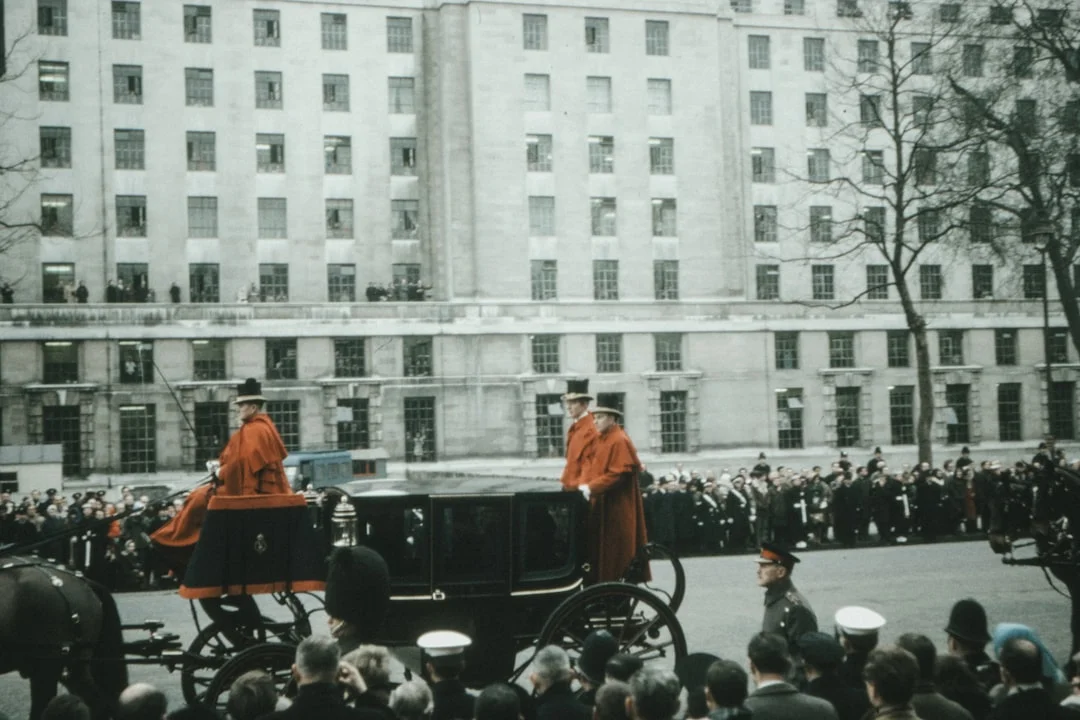
Roosevelt's second inauguration on January 20, 1937, was the first to be held on this date, a change instituted by the 20th Amendment, which aimed to reduce the 'lame duck' period between election and inauguration. The ceremony was marked by Roosevelt's stirring address, in which he emphasized the need for continued reform and vigilance in overcoming the nation's challenges. The event was a testament to Roosevelt's enduring popularity and the public's hope for recovery under his leadership.
Immediate Consequences
In the immediate aftermath of the inauguration, Roosevelt continued to push for legislative reforms. His second term saw the introduction of significant policies, including efforts to expand Social Security and improve labor rights. The inauguration set the tone for aggressive government intervention in the economy, a hallmark of Roosevelt's administration.
Long-Term Impact
Roosevelt's second term and the policies he implemented during this time had a profound impact on American society. His leadership helped stabilize the economy and provided a safety net for vulnerable populations. The New Deal coalition, which included labor unions, urban voters, and African Americans, became a dominant force in American politics for decades. Roosevelt's presidency also set a precedent for future leaders regarding the scope and power of the federal government.
Legacy and Modern Relevance
Today, Roosevelt's inauguration and the subsequent policies of his administration are often studied as a pivotal moment in U.S. history. His approach to governance and economic reform continues to influence political discourse, particularly in discussions about the role of government in economic regulation and social welfare. The issues Roosevelt tackled remain relevant, as modern policymakers grapple with economic inequality and social justice.
Conclusion
The inauguration of Franklin D. Roosevelt on January 20, 1937, was more than a ceremonial event; it was a defining moment in American political history. It underscored the transformative power of leadership during times of crisis and highlighted the potential for government to drive social and economic change. As we reflect on this event, its lessons remain pertinent, reminding us of the enduring impact of Roosevelt's vision on the fabric of American society.
More from This Month in History
The Birth of the Modern Stock Market: The New York Stock Exchange's Pivotal Move on January 18, 1971
Explore how the New York Stock Exchange's decision on January 18, 1971, shaped the future of global finance.
The Beatles' Final Live Performance: A Turning Point in Music History
Explore the significance of The Beatles' final live performance on January 4, 1970, and its lasting impact on music and culture.
The Birth of Wikipedia: How January 15, 2001 Revolutionized Knowledge Sharing
Discover how Wikipedia's launch on January 15, 2001, transformed global knowledge sharing and its impact today.
A New Era in Soviet Leadership: Gorbachev's Rise and the Beginning of Reform
Explore the transformative impact of Gorbachev's political ascension in 1987 and its lasting relevance.
Want to explore more historical events? Visit our Explore page to discover what happened on any date in history, or check out today's Event of the Day.