The Beatles' First Appearance on The Ed Sullivan Show: A Phenomenon Born on January 9, 1964
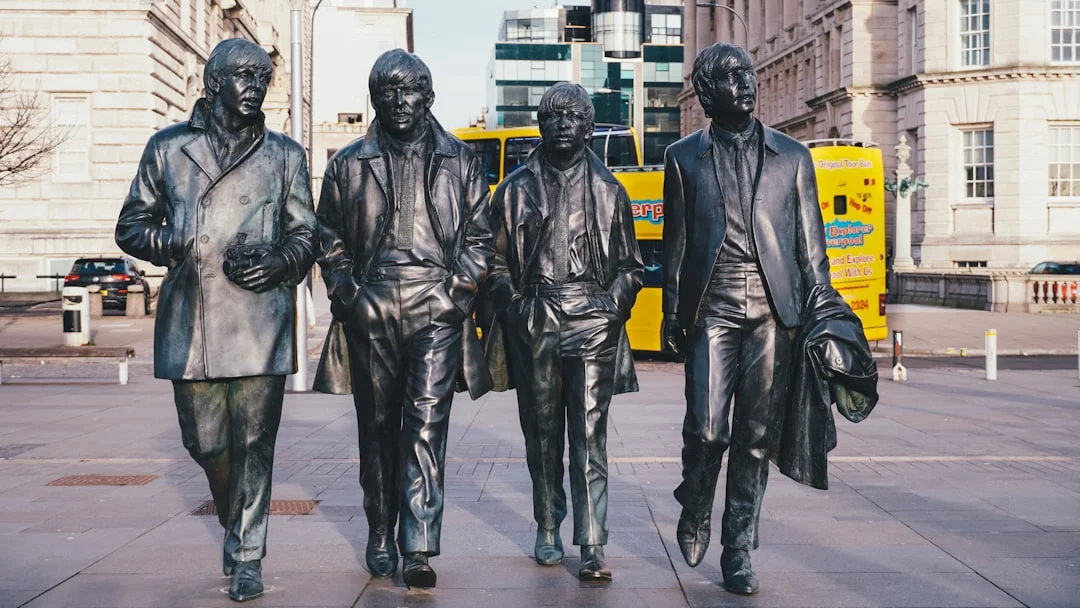
Introduction
On January 9, 1964, The Beatles made their first appearance on The Ed Sullivan Show, marking a watershed moment in entertainment history. This event not only catapulted the Fab Four to international stardom but also signaled a cultural shift that would reverberate through the decades. As we reflect on this milestone, it is evident why it continues to captivate audiences worldwide, serving as both a marker of its era and a harbinger of the globalized entertainment landscape we know today.
Historical Background
The early 1960s were a time of significant social and cultural transformation. In the wake of World War II, the United States experienced economic prosperity and a burgeoning youth culture eager for new expressions of identity. Meanwhile, in England, the post-war era was characterized by a cultural revival, with Liverpool, in particular, emerging as a hub for music innovation. The Beatles—John Lennon, Paul McCartney, George Harrison, and Ringo Starr—formed in this vibrant environment, quickly gaining popularity in the UK with their infectious rhythms and charismatic performances.
The Event Itself
On January 9, 1964, The Beatles stepped onto the stage of The Ed Sullivan Show, a popular American television program known for showcasing the era's biggest stars. The show, broadcast live to millions of viewers across the United States, featured The Beatles performing hits such as "I Want to Hold Your Hand" and "She Loves You." The group's appearance was a sensational success, drawing unprecedented viewership and signaling the start of the so-called British Invasion.
Immediate Consequences
The Beatles' performance on The Ed Sullivan Show sent shockwaves through the entertainment industry and had immediate consequences for the band's career. Their music soared to the top of the U.S. charts, and their influence began to extend beyond music into fashion and social attitudes. The broadcast captivated an audience of over 73 million Americans, making it one of the most-watched television events of its time. In the wake of their appearance, The Beatles embarked on a whirlwind media tour, solidifying their status as global icons.
Long-Term Impact
The ripple effects of The Beatles' appearance were profound and lasting. They not only revolutionized the music industry by inspiring a new generation of musicians but also played a crucial role in fostering cross-cultural exchanges between the United States and the United Kingdom. The Beatles' innovative approach to music production and marketing set new standards in the industry, influencing artists and producers for decades to come. Their emergence marked a significant shift towards the globalization of pop culture, a trend that continues to define our world today.
Legacy and Modern Relevance
Today, The Beatles' legacy remains as strong as ever, with their influence evident in various aspects of contemporary culture. Their music continues to resonate with new audiences, and their story serves as a testament to the power of innovation and cultural exchange. As the entertainment industry navigates the challenges of a digital age, The Beatles' journey from local band to international sensation offers timeless lessons on the impact of media and the universality of music.
Conclusion
The Beatles' first appearance on The Ed Sullivan Show on January 9, 1964, was a defining moment in entertainment history, one that transcended mere performance to become a cultural phenomenon. As we reflect on this pivotal event, its relevance remains clear, highlighting both the enduring appeal of The Beatles and the transformative power of media in shaping cultural narratives. In a world increasingly connected through technology and shared experiences, the story of The Beatles continues to inspire, reminding us of the potential for creativity and collaboration to drive change.
More from This Month in History
The Birth of the Modern Financial Era: The Launch of the New York Stock Exchange Index on January 7, 1929
Discover how the launch of the NYSE Index on January 7, 1929, shaped global finance and its enduring impact on today's markets.
The Birth of Wikipedia: How January 15, 2001 Revolutionized Knowledge Sharing
Discover how Wikipedia's launch on January 15, 2001, transformed global knowledge sharing and its impact today.
How the Beatles' Final Performance on January 1, 1962, Shaped Modern Music
Explore the Beatles' pivotal audition on January 1, 1962, and its lasting impact on music history.
The Birth of the New York Stock Exchange: How January 2, 1865, Shaped Modern Finance
Explore how the New York Stock Exchange's founding on January 2, 1865, transformed global finance and its enduring impact today.
Want to explore more historical events? Visit our Explore page to discover what happened on any date in history, or check out today's Event of the Day.