The Birth of the New York Stock Exchange: How January 2, 1865, Shaped Modern Finance
Introduction
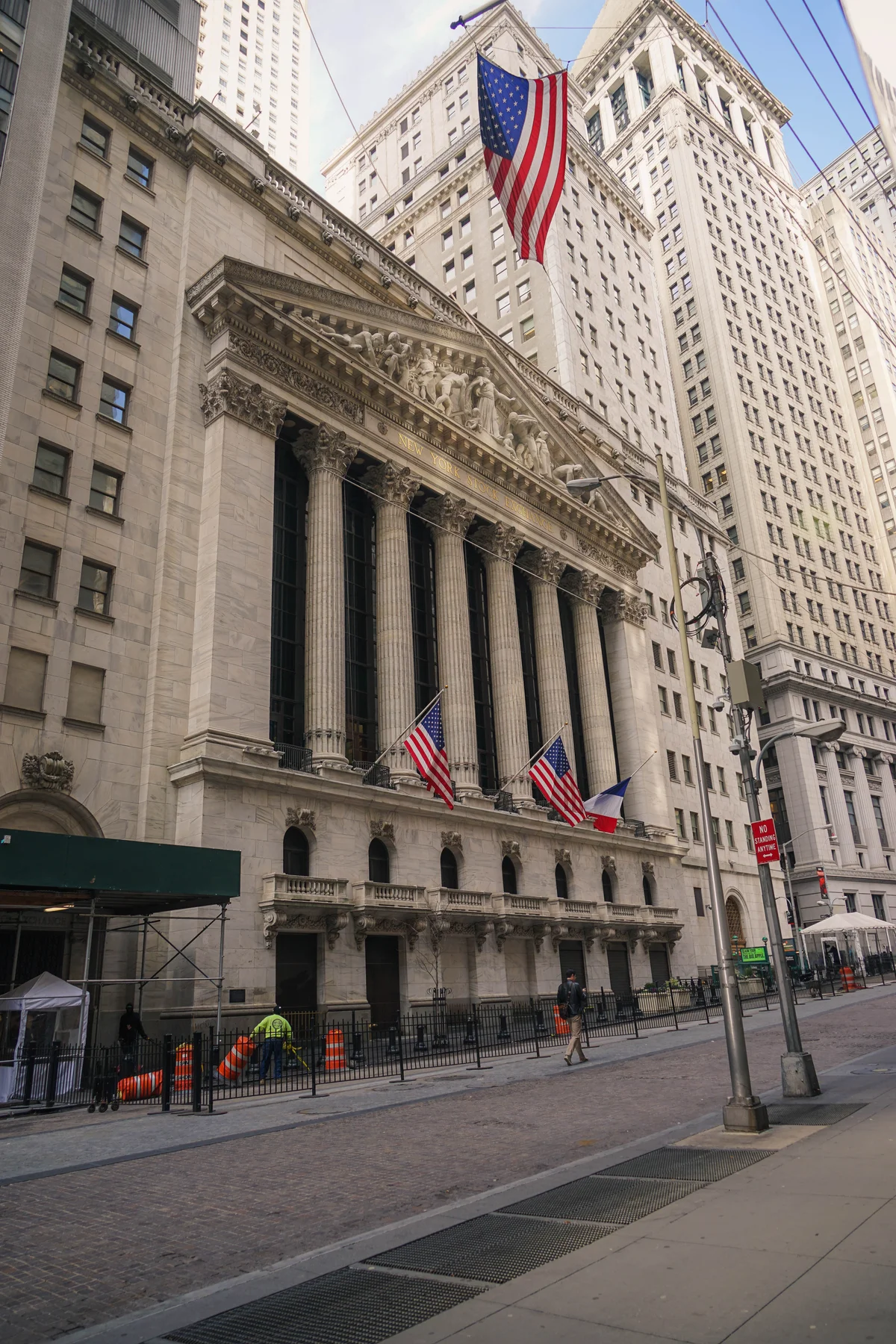
On January 2, 1865, the financial world witnessed the formal establishment of the New York Stock Exchange (NYSE), a pivotal moment in global commerce and finance. This event marked the consolidation of various trading practices into a single, structured entity that would soon dominate financial markets worldwide. Its creation not only catalyzed the growth of American capitalism but also laid the groundwork for modern financial systems. Today, as global markets face unprecedented challenges, the NYSE's origins offer valuable insights into the influence of organized exchanges on economic stability and growth.
Historical Background
The mid-19th century was a time of significant change and expansion in the United States. The Industrial Revolution was in full swing, fueling rapid economic growth and urbanization. As industries burgeoned, so did the need for capital, fostering an environment ripe for the development of financial markets. Prior to 1865, stock trading in New York was a fragmented affair, with brokers operating under loose agreements, such as the Buttonwood Agreement of 1792, which laid the groundwork for more formalized trading practices. However, the Civil War and its aftermath created a pressing demand for a more organized financial system to support the nation's industrial ambitions.
The Event Itself
On January 2, 1865, a group of 24 brokers gathered to solidify the creation of the New York Stock Exchange. This pivotal meeting was held at 10 Broad Street, and it marked the culmination of years of informal trading practices and ad hoc agreements. The brokers established a formal set of rules and a governing structure, providing a reliable and transparent trading environment. This set the stage for a new era of stock trading, one characterized by increased efficiency and trust among investors.
Immediate Consequences
The establishment of the NYSE had immediate effects on the financial landscape. It provided a centralized venue for trading, which attracted more participants and increased liquidity in the market. Investors found a newfound confidence in the system, leading to a surge in trading volumes and a broader participation in the stock market. The transparency and structure offered by the NYSE also contributed to a stronger regulatory framework, which was essential for protecting investors' interests and maintaining market integrity.
Long-Term Impact
Over the decades, the NYSE became a cornerstone of the global financial system. It played a critical role in mobilizing capital for industrial expansion, helping to transform the United States into a leading economic power. The exchange set standards for trading practices, governance, and financial disclosure that influenced markets worldwide. Today, the NYSE remains a symbol of financial stability and innovation, continuing to adapt to the changing landscape of global finance, including the rise of digital trading platforms and increasing regulatory scrutiny.
Legacy and Modern Relevance
The NYSE's founding is more than a historical footnote; it is a testament to the enduring power of well-regulated financial markets. As contemporary economies grapple with issues such as market volatility, economic inequality, and the challenges of globalization, the NYSE's evolution offers valuable lessons in adaptability and resilience. It underscores the importance of transparent and accountable financial systems in fostering economic growth and stability. The exchange's legacy is evident in how it has shaped investor behavior, corporate governance, and even public policy.
Conclusion
The establishment of the New York Stock Exchange on January 2, 1865, remains a defining moment in the history of global finance. Its impact resonates today, as the principles of organized and transparent trading continue to underpin modern economic systems. Reflecting on its origins invites a deeper understanding of the intricate dynamics between financial markets and economic development. As we navigate the complexities of today's global economy, the story of the NYSE offers both a blueprint for progress and a reminder of the fundamental role that trust and integrity play in sustainable growth.
More from This Month in History
The Day 'All in the Family' Redefined American Television
Explore how 'All in the Family' revolutionized American television on January 5, 1971, and its lasting impact on media and culture.
How Apple's iPhone Revolutionized Technology on January 9, 2007
Discover how Apple's iPhone, unveiled on January 9, 2007, transformed technology and society, impacting how we communicate today.
The Birth of the London Underground: A Revolution in Urban Transport
Explore the transformative impact of the London Underground's opening on January 10, 1863, and its enduring influence on global urban transport.
The Birth of the Internet: ARPANET's First Public Demonstration on January 8, 1973
Discover the pivotal moment on January 8, 1973, when ARPANET was first publicly demonstrated, paving the way for the internet era.
Want to explore more historical events? Visit our Explore page to discover what happened on any date in history, or check out today's Event of the Day.