How the Establishment of the Grand Canyon National Monument Changed American Conservation
Introduction
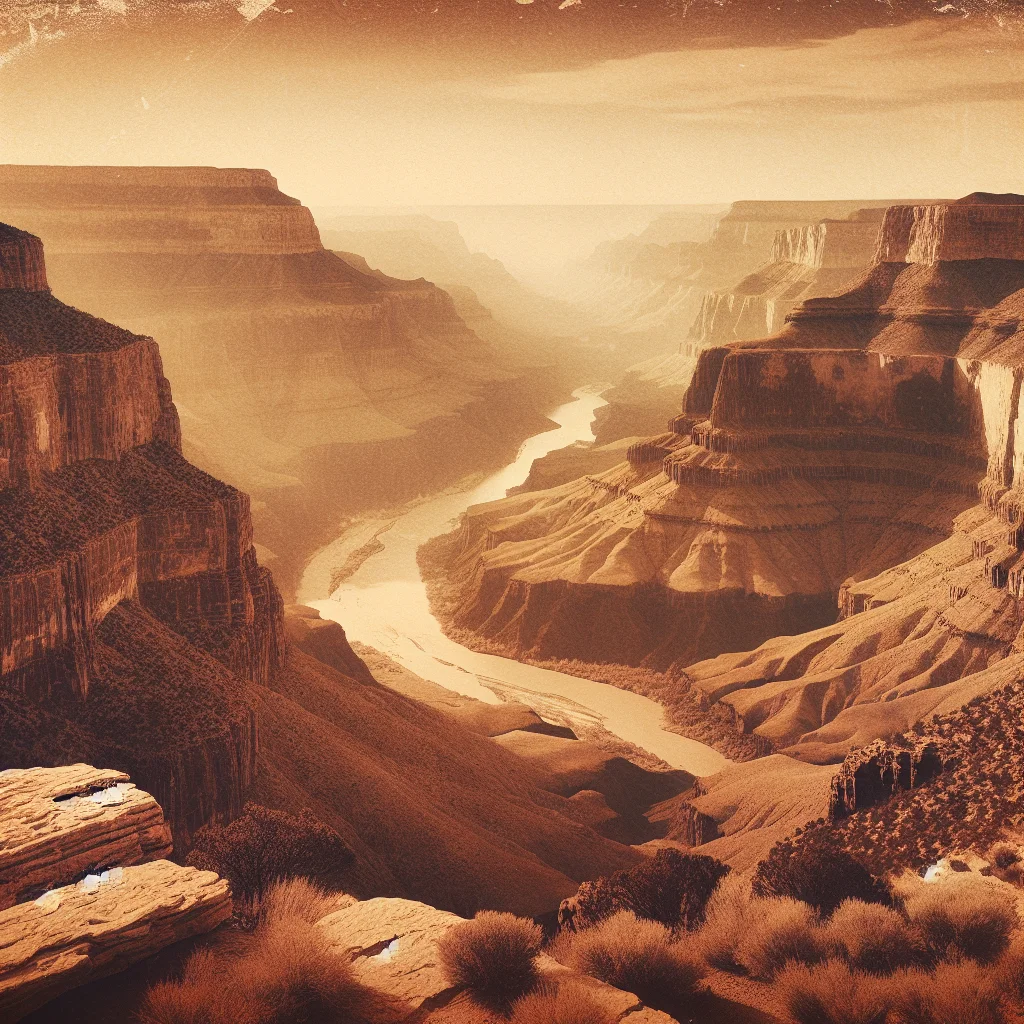
On January 11, 1908, President Theodore Roosevelt declared the Grand Canyon a National Monument, transforming it into a protected area of national significance. This landmark decision not only preserved one of the most awe-inspiring natural wonders of the world but also marked a pivotal moment in the American conservation movement. Today, as environmental issues gain increasing attention, understanding the origins and impacts of such conservation efforts remains crucial.
Historical Background
The late 19th and early 20th centuries witnessed rapid industrialization and expansion in the United States, leading to extensive exploitation of natural resources. Public awareness about the need for conservation was beginning to grow, thanks in part to influential figures like John Muir and Gifford Pinchot. Theodore Roosevelt, a staunch advocate for the environment, was inspired by these conservationists and took significant steps to protect America's natural heritage during his presidency.
The Event Itself
On January 11, 1908, using the Antiquities Act of 1906, President Roosevelt declared the Grand Canyon a National Monument. This act allowed presidents to unilaterally protect significant natural, cultural, or scientific features on federal land. The decision to protect the Grand Canyon was driven by the need to prevent mining and development activities that threatened its unique landscape. Roosevelt's declaration marked a significant expansion of the federal government's role in environmental stewardship.
Immediate Consequences
The designation of the Grand Canyon as a National Monument had immediate effects. It halted mining and commercial exploitation within the designated area, safeguarding its geological formations and ecosystems. While there was opposition from local mining interests and some politicians, the move was largely celebrated by conservationists and the public, who recognized the importance of preserving such natural beauty for future generations.
Long-Term Impact
The establishment of the Grand Canyon National Monument set a precedent for future conservation efforts in the United States. It demonstrated the power of the Antiquities Act as a tool for preserving public lands and encouraged the creation of additional national parks and monuments. The Grand Canyon itself was later upgraded to a National Park in 1919, further solidifying its protection. This event played a critical role in shaping the broader conservation movement and fostering an appreciation for natural landscapes.
Legacy and Modern Relevance
Today, the Grand Canyon stands as a symbol of successful conservation efforts and a testament to the foresight of early environmental advocates. It attracts millions of visitors annually, contributing to both environmental education and the local economy. The legacy of its protection underscores the importance of balancing development with the preservation of natural resources, a lesson that remains relevant as contemporary society grapples with climate change and environmental degradation.
Conclusion
The establishment of the Grand Canyon National Monument on January 11, 1908, was a transformative event in the history of American conservation. It not only protected a magnificent natural wonder but also laid the groundwork for future environmental policies. As we face modern challenges, the Grand Canyon's story reminds us of the enduring value of preserving our natural heritage for future generations to appreciate and learn from.
More from This Month in History
The Birth of the Modern Financial Era: The Launch of the New York Stock Exchange Index on January 7, 1929
Discover how the launch of the NYSE Index on January 7, 1929, shaped global finance and its enduring impact on today's markets.
How Apple's iPhone Revolutionized Technology on January 9, 2007
Discover how Apple's iPhone, unveiled on January 9, 2007, transformed technology and society, impacting how we communicate today.
The Birth of the Modern Olympic Movement: The First Winter Olympic Games
Explore the origins and impact of the first Winter Olympic Games held on January 1, 1924, in Chamonix, France.
How the Beatles' Final Performance on January 1, 1962, Shaped Modern Music
Explore the Beatles' pivotal audition on January 1, 1962, and its lasting impact on music history.
Want to explore more historical events? Visit our Explore page to discover what happened on any date in history, or check out today's Event of the Day.