The Birth of the New York Stock Exchange: January 20, 1817
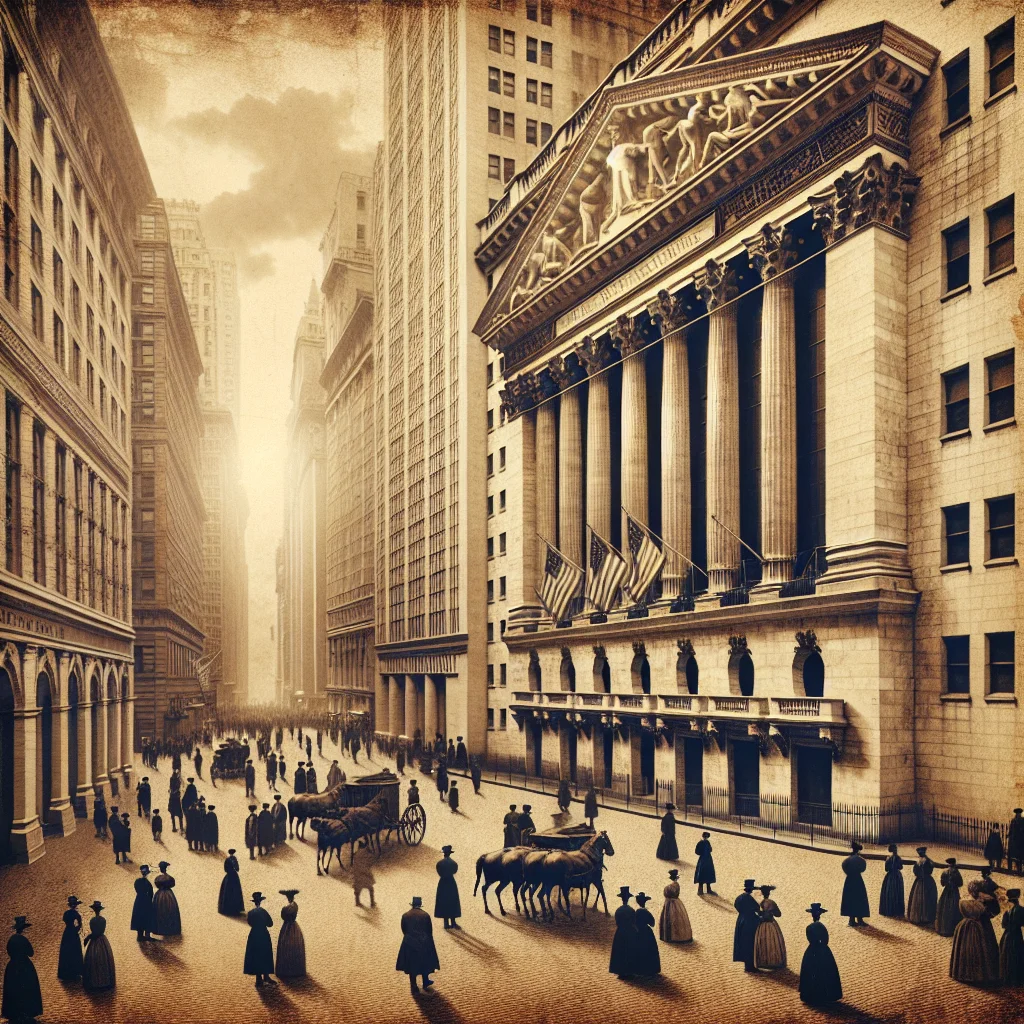
Introduction
On January 20, 1817, a pivotal moment in financial history unfolded with the founding of the New York Stock Exchange (NYSE). Today, the NYSE stands as one of the most influential financial markets worldwide, symbolizing economic power and global commerce. This article delves into the formation of the NYSE, its historical significance, and its enduring impact on international finance.
Historical Background
The early 19th century in the United States was a period of rapid economic expansion and transformation. Following the War of 1812, the nation experienced a surge in industrial growth and the expansion of infrastructure, necessitating new financial mechanisms to support economic activities. In this era, New York City emerged as a burgeoning commercial hub, attracting entrepreneurs and financiers seeking to capitalize on new opportunities.
Key figures like Alexander Hamilton had already laid the groundwork for a robust financial system with the establishment of a national bank and a stable currency. These developments set the stage for the creation of organized securities trading to meet the growing demand for investment capital.
The Event Itself
On January 20, 1817, a group of brokers met at Tontine Coffee House, a popular gathering place in New York City, to formalize their trading activities. This meeting led to the establishment of the New York Stock & Exchange Board, later renamed the New York Stock Exchange. The brokers adopted a constitution and a set of regulations to ensure fair and orderly trading. This marked the beginning of a more structured and reliable marketplace for securities trading.
The founding of the NYSE was a major turning point, transforming ad-hoc, informal trading practices into a standardized system. This system provided a platform for raising capital, allowing businesses to expand and innovate, which fueled the economic growth of the United States.
Immediate Consequences
The establishment of the NYSE brought immediate changes to the financial landscape of New York City. It instilled confidence among investors by providing a regulated environment that mitigated the risks of fraudulent practices. The NYSE quickly became a central hub for trading government bonds, shares of banks, and insurance companies, attracting both domestic and international investors.
The new exchange also fostered a sense of community among brokers, leading to increased collaboration and competition. This environment spurred the development of new financial instruments and techniques, further enhancing market efficiency.
Long-Term Impact
Over the centuries, the NYSE has played a crucial role in shaping global finance. It has been a driving force behind the U.S. economy's growth, facilitating the accumulation of capital necessary for industrialization and technological advancement. The NYSE's influence extended beyond America's borders, contributing to the globalization of financial markets.
The establishment of the NYSE also set a precedent for other exchanges around the world, leading to the creation of a network of financial markets that are interconnected and interdependent. This global financial system has enabled the flow of capital across borders, fostering international trade and investment.
Legacy and Modern Relevance
Today, the NYSE remains a pillar of the global financial system. It continues to be a barometer of economic health, with its indices closely watched by investors, policymakers, and economists worldwide. The lessons learned from its history, such as the importance of regulation and transparency, remain relevant in today's financial markets.
The NYSE's legacy is evident in its adaptability to modern challenges, including technological advancements and regulatory changes. Its continued relevance highlights the enduring need for organized and efficient financial markets in supporting economic growth and stability.
Conclusion
The founding of the New York Stock Exchange on January 20, 1817, was more than just the creation of a financial institution; it was the beginning of a new era in economic history. As we reflect on its legacy, we see how the NYSE has not only shaped the world of finance but also contributed to the broader narrative of human progress. Its relevance today underscores the critical role of financial markets in addressing contemporary challenges and opportunities in a rapidly changing world.
More from This Month in History
The Birth of the London Underground: A Revolution in Urban Transport
Explore the transformative impact of the London Underground's opening on January 10, 1863, and its enduring influence on global urban transport.
How January 13, 1982, Transformed Late-Night Television Forever
Explore how January 13, 1982, marked a transformative moment in late-night television, reshaping entertainment landscapes.
The Beatles' Final Live Performance: A Rooftop Farewell on January 3, 1969
Explore the significance of The Beatles' final live performance on a London rooftop in 1969, a pivotal moment in music history.
The Dawn of the Digital Age: The Introduction of Wikipedia on January 15, 2001
Explore how Wikipedia's launch on January 15, 2001, revolutionized access to information and continues to shape the digital landscape.
Want to explore more historical events? Visit our Explore page to discover what happened on any date in history, or check out today's Event of the Day.