The Unification of Germany: How January 18, 1871, Redefined Europe
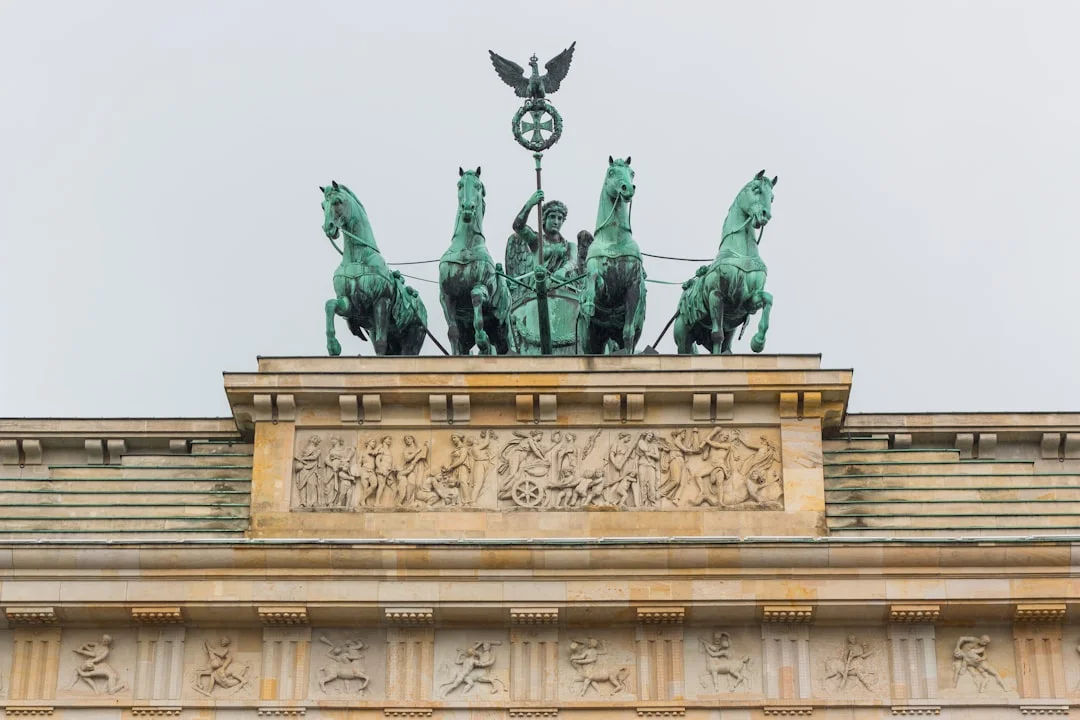
Introduction
On January 18, 1871, a pivotal moment in European history unfolded as King Wilhelm I of Prussia was proclaimed the German Emperor in the Hall of Mirrors at the Palace of Versailles. This event marked the official unification of Germany, a powerful transformation that not only reshaped the political landscape of Europe but also set the stage for future global conflicts. Understanding this event provides valuable insights into modern geopolitical dynamics and the historical roots of current European unity and discord.
Historical Background
The road to German unification was long and complex, characterized by a series of wars and diplomatic maneuvers. In the early 19th century, the region now known as Germany was a patchwork of independent states loosely connected through the German Confederation. The rise of nationalism and the decline of the Holy Roman Empire fueled desires for a cohesive German state. Key figures, such as Otto von Bismarck, the Prussian Chancellor, played critical roles in orchestrating this unification through strategic wars against Denmark (1864), Austria (1866), and France (1870-71).
The Event Itself
On January 18, 1871, amidst the opulent surroundings of the Palace of Versailles, King Wilhelm I was crowned as the first Emperor of a united Germany. This ceremony, orchestrated by Bismarck, was a symbolic culmination of Prussia's military victories and diplomatic successes. The Third French Republic, still reeling from its defeat in the Franco-Prussian War, witnessed the proclamation with resentment. The event consolidated the numerous German states into a single nation under Prussian dominance, fundamentally altering the power dynamics within Europe.
Immediate Consequences
The immediate aftermath of German unification was profound. Domestically, it led to the establishment of the German Empire, a new political entity characterized by rapid industrialization and economic growth. Internationally, the unification challenged the balance of power in Europe, leading to increased tensions among neighboring countries. France, in particular, felt humiliated and sought revenge, laying the seeds for future conflicts.
Long-Term Impact
German unification had far-reaching consequences, influencing European politics for decades. It contributed to the escalation of rivalries that culminated in World War I. The strengthened and expanded Germany became a central power in Europe, affecting alliances and conflicts throughout the 20th century. The unification also inspired other nationalist movements across the continent, reshaping borders and influencing global geopolitics.
Legacy and Modern Relevance
Today, the unification of Germany is viewed as a critical turning point in European history. It set a precedent for the importance of nationalism and statehood, themes that continue to resonate in contemporary politics. The formation of the European Union, with Germany as a key member, reflects the ongoing efforts to maintain unity and peace in a region once fraught with conflict. The historical lessons from this event underscore the challenges and opportunities of building cohesive political entities in an increasingly interconnected world.
Conclusion
The unification of Germany on January 18, 1871, remains a landmark event that continues to influence global politics and European unity. By understanding the historical context and consequences of this event, we gain insights into the complexities of nation-building and the enduring impact of nationalism. As we reflect on its significance, we recognize the importance of history in shaping present and future political landscapes, reminding us of the delicate balance between unity and discord.
More from This Month in History
The Birth of the Modern Olympic Movement: The First Winter Olympic Games
Explore the origins and impact of the first Winter Olympic Games held on January 1, 1924, in Chamonix, France.
The Birth of the UK's National Health Service Act: A Turning Point in Public Health
Explore the 1949 National Health Service Act, its impact, and relevance today.
How the Creation of the European Economic Community on January 6 Shaped Modern Europe
Discover how the formation of the European Economic Community on January 6 transformed Europe and set the stage for the EU.
The Historic 1972 Winter Olympics: A Turning Point in Global Sports
Explore the 1972 Winter Olympics, a pivotal moment in sports history, and its lasting impact on global athletic competitions.
Want to explore more historical events? Visit our Explore page to discover what happened on any date in history, or check out today's Event of the Day.